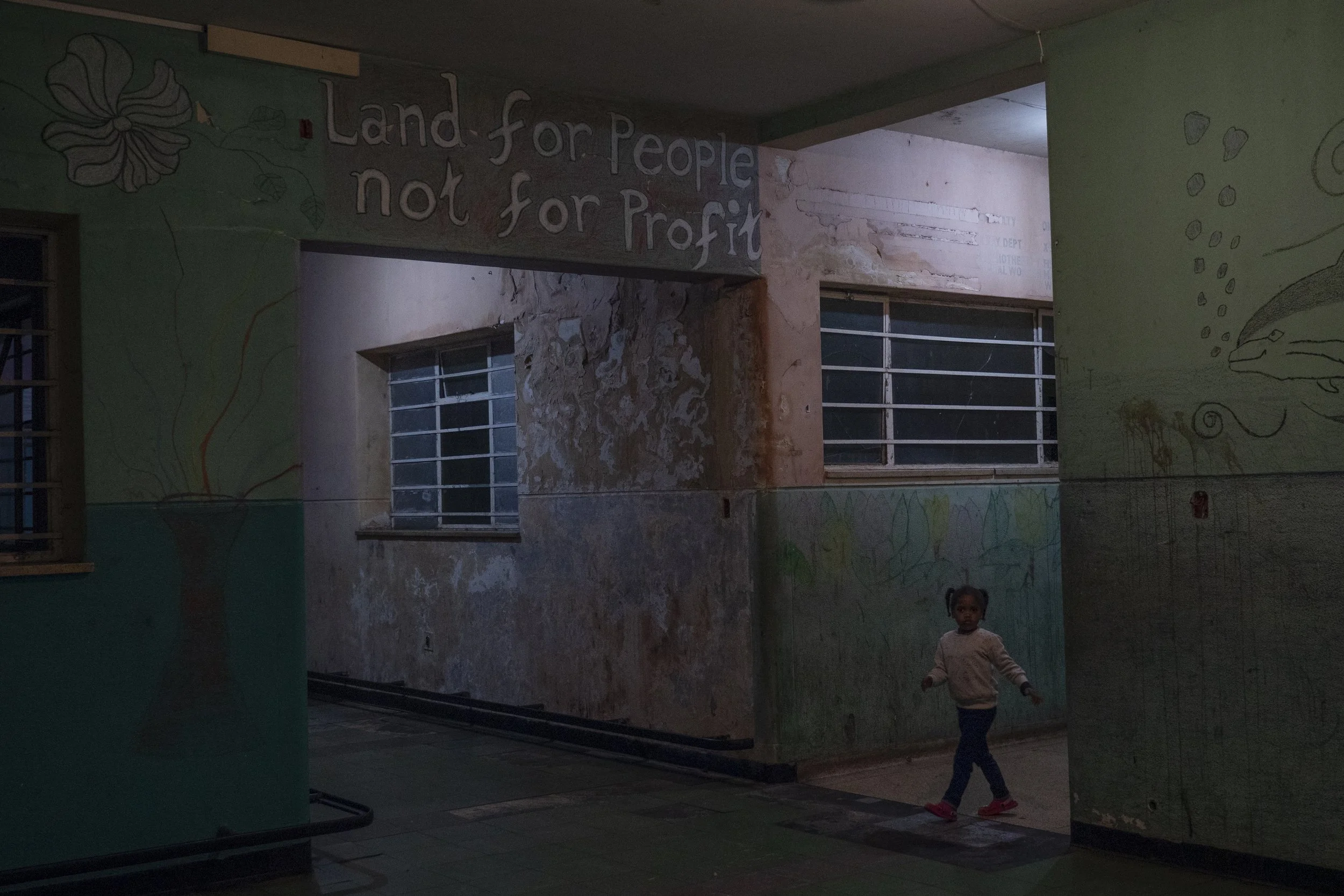
Land for People, not for Profit
The hopes raised by the ANC coming to power in 1994 have, 30 years on, been dashed for millions still without a decent roof over their heads. While the government has accommodated almost 5 million households in 30 years, delivery has slowed drastically over the past decade and campaigners say there has been a failure to redress the effects of spatial segregation entrenched by apartheid.
This legacy is at its most visible in Cape Town. While mainly white residents and tourists enjoy trendy restaurants and beachside strolls around the inner city, on the outskirts, the spacious houses give way to tightly packed shacks and informal settlements where overwhelmingly black and coloured people live. The municipality’s housing needs register lists more than 375,000 applicants. Yet, while several projects are under way, 30 years after the end of apartheid not a single affordable housing unit has been completed in the inner city.
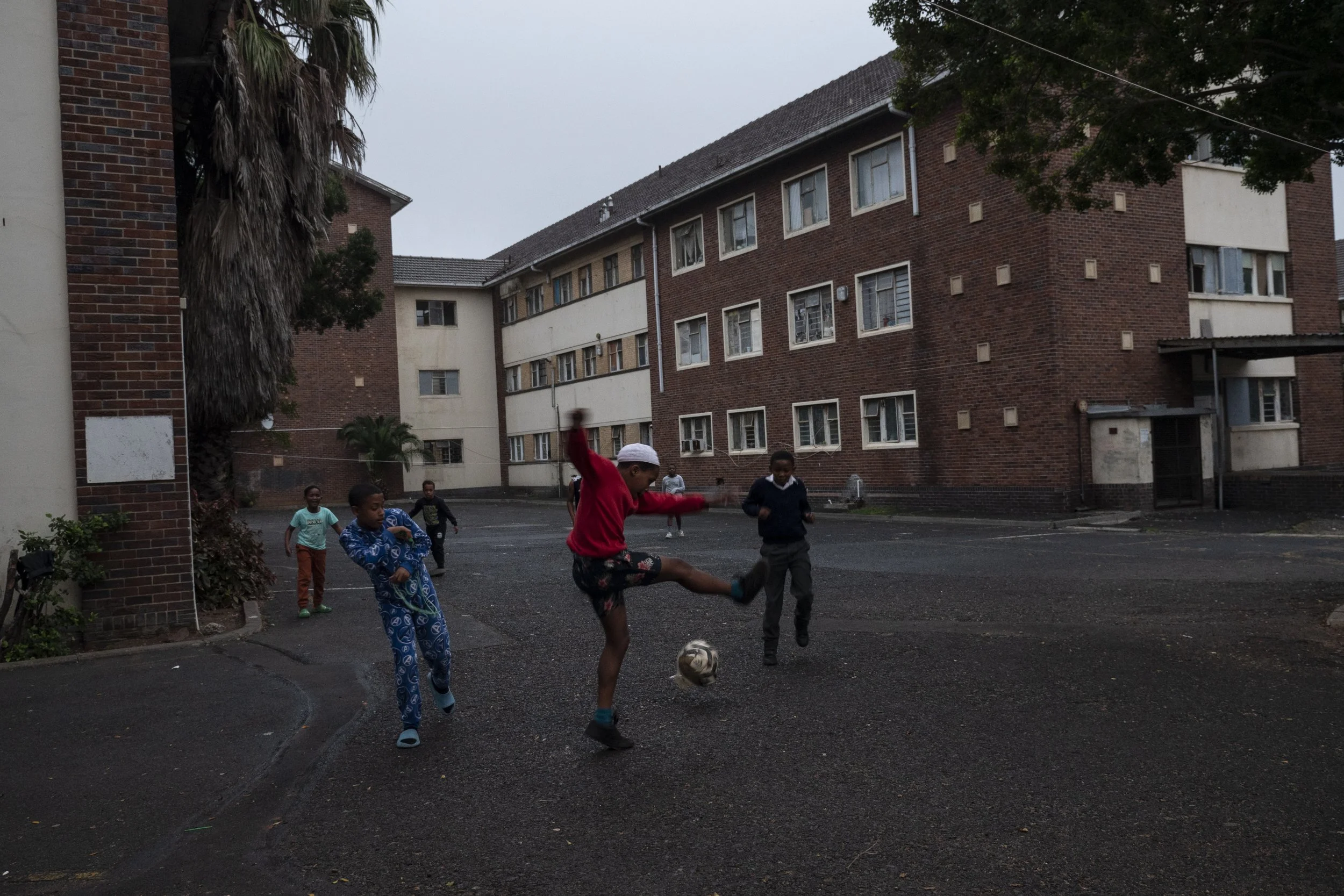
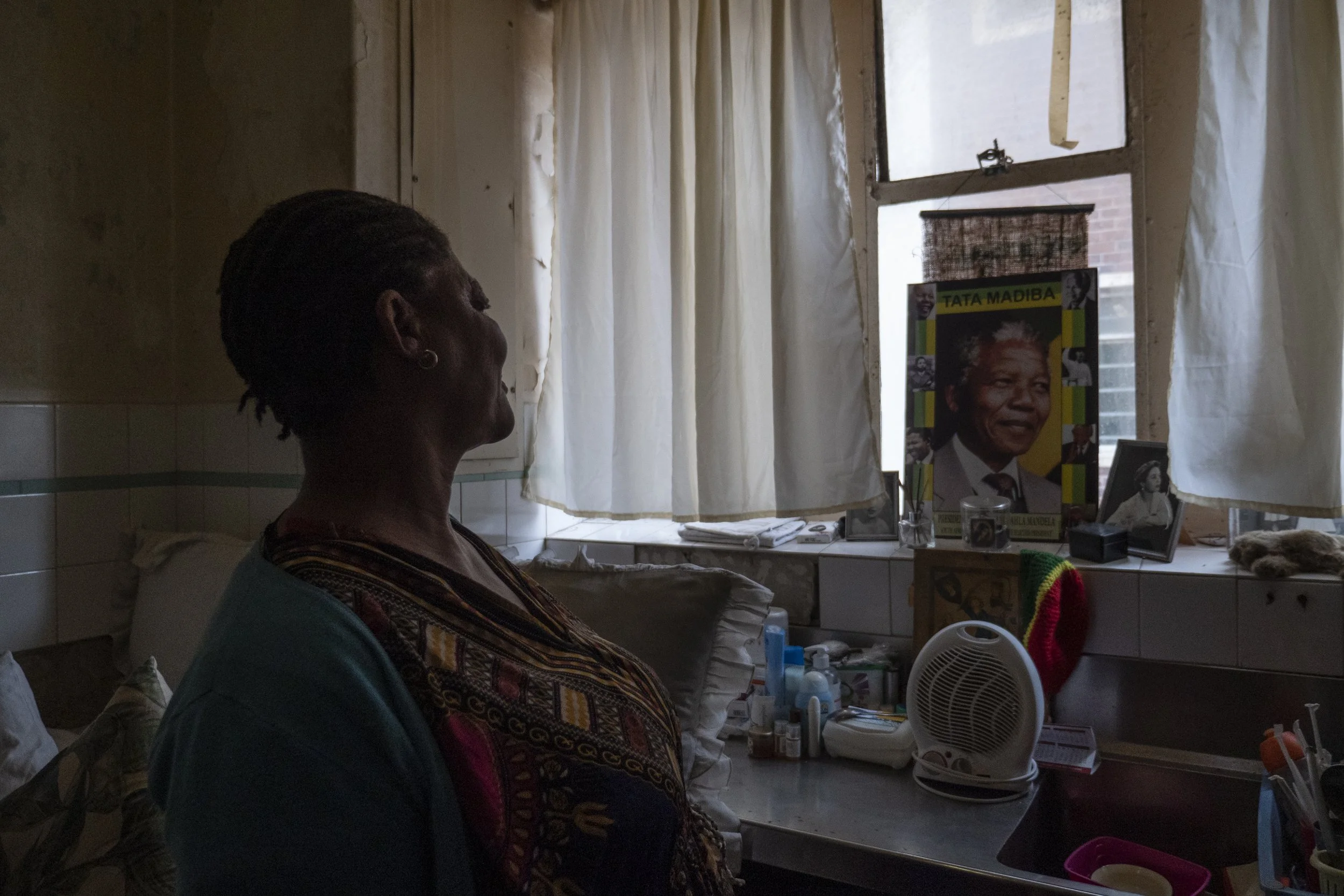
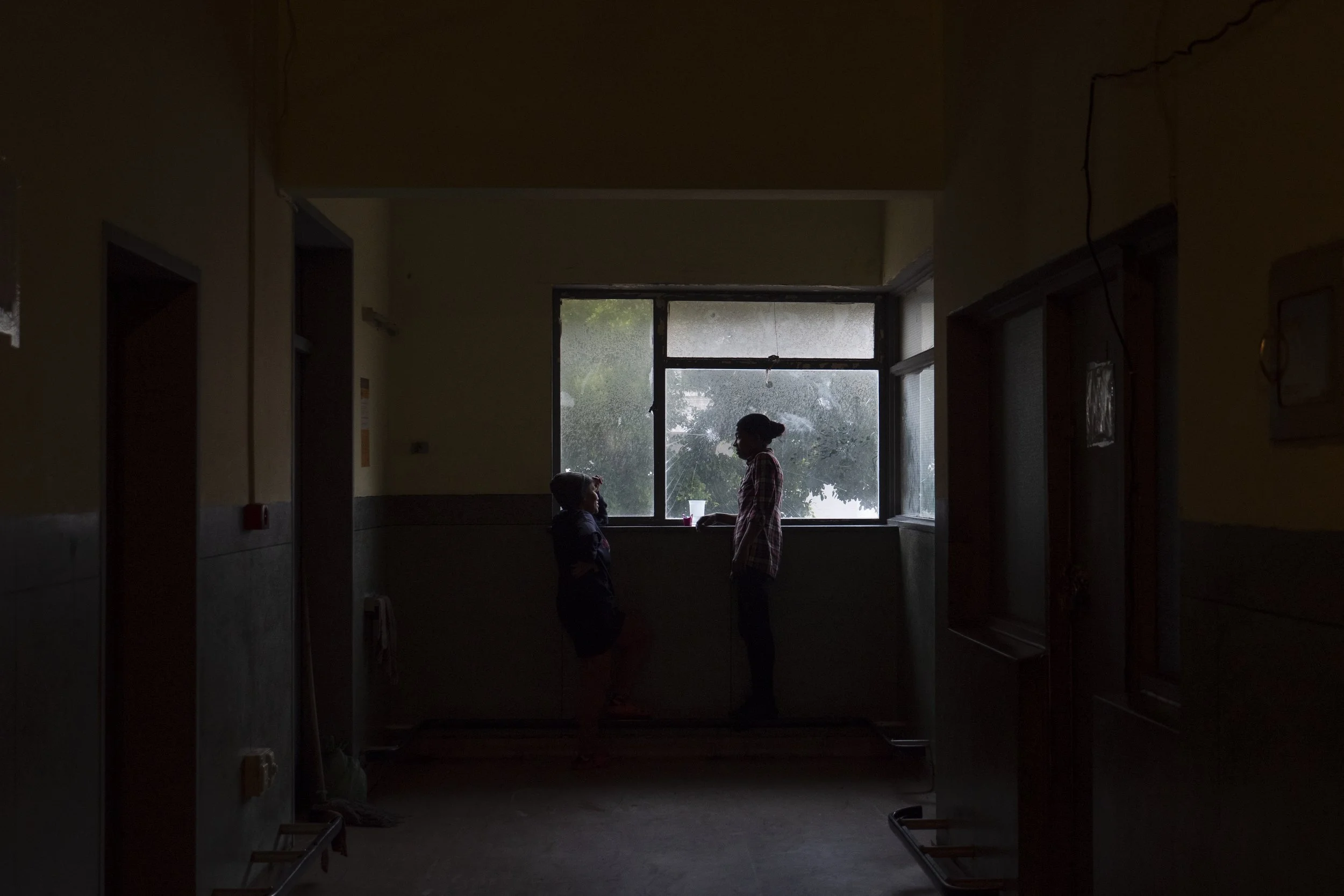
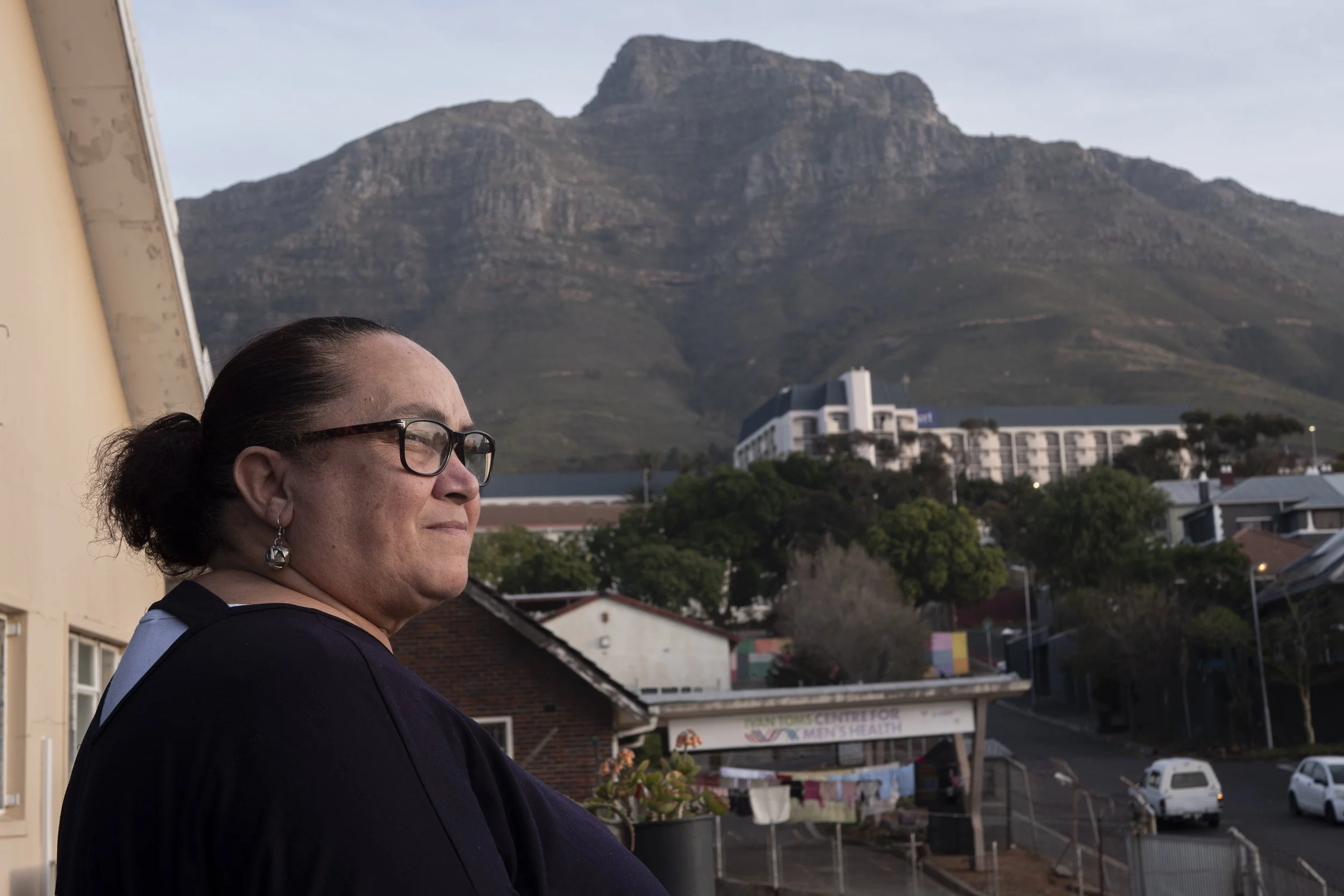
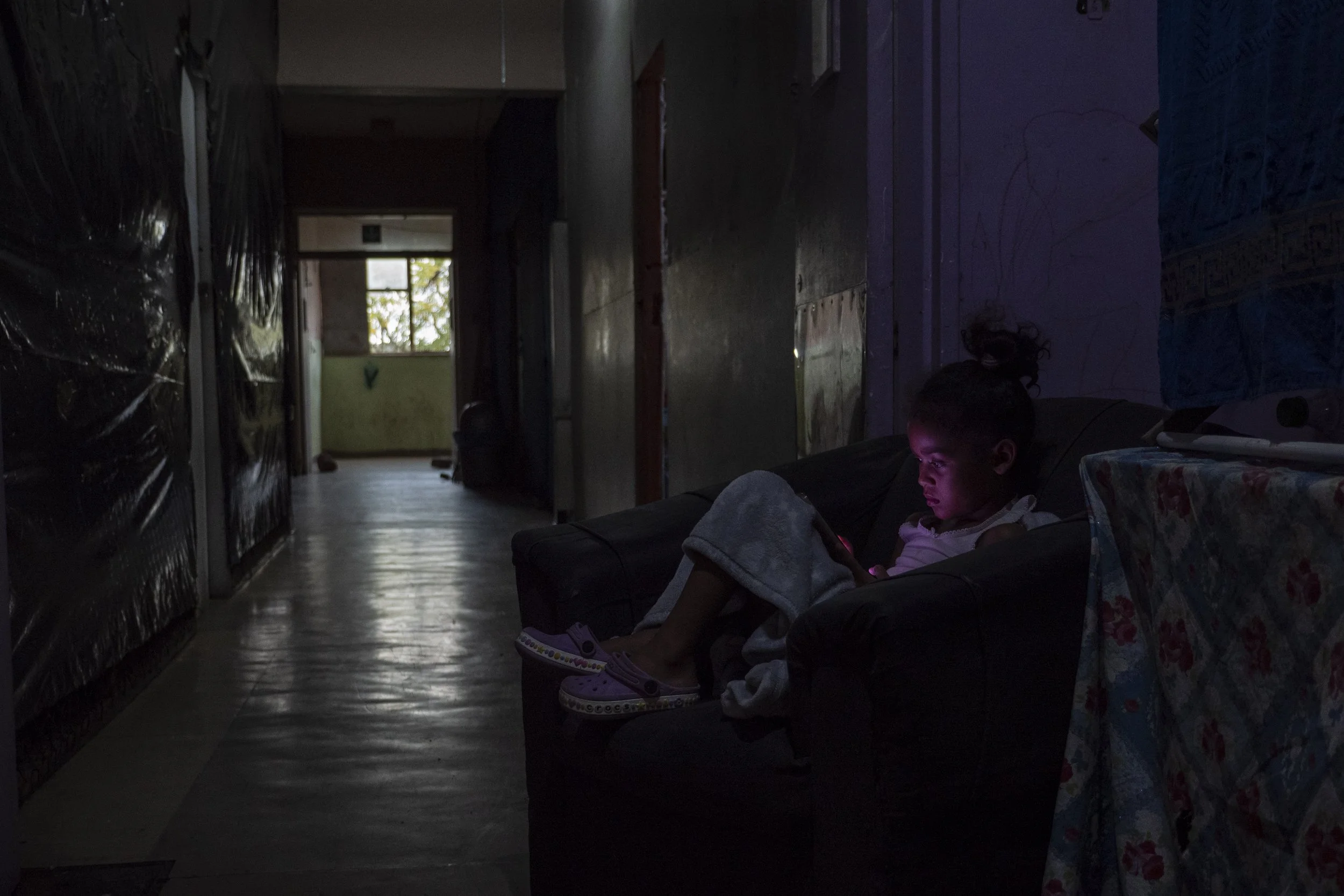
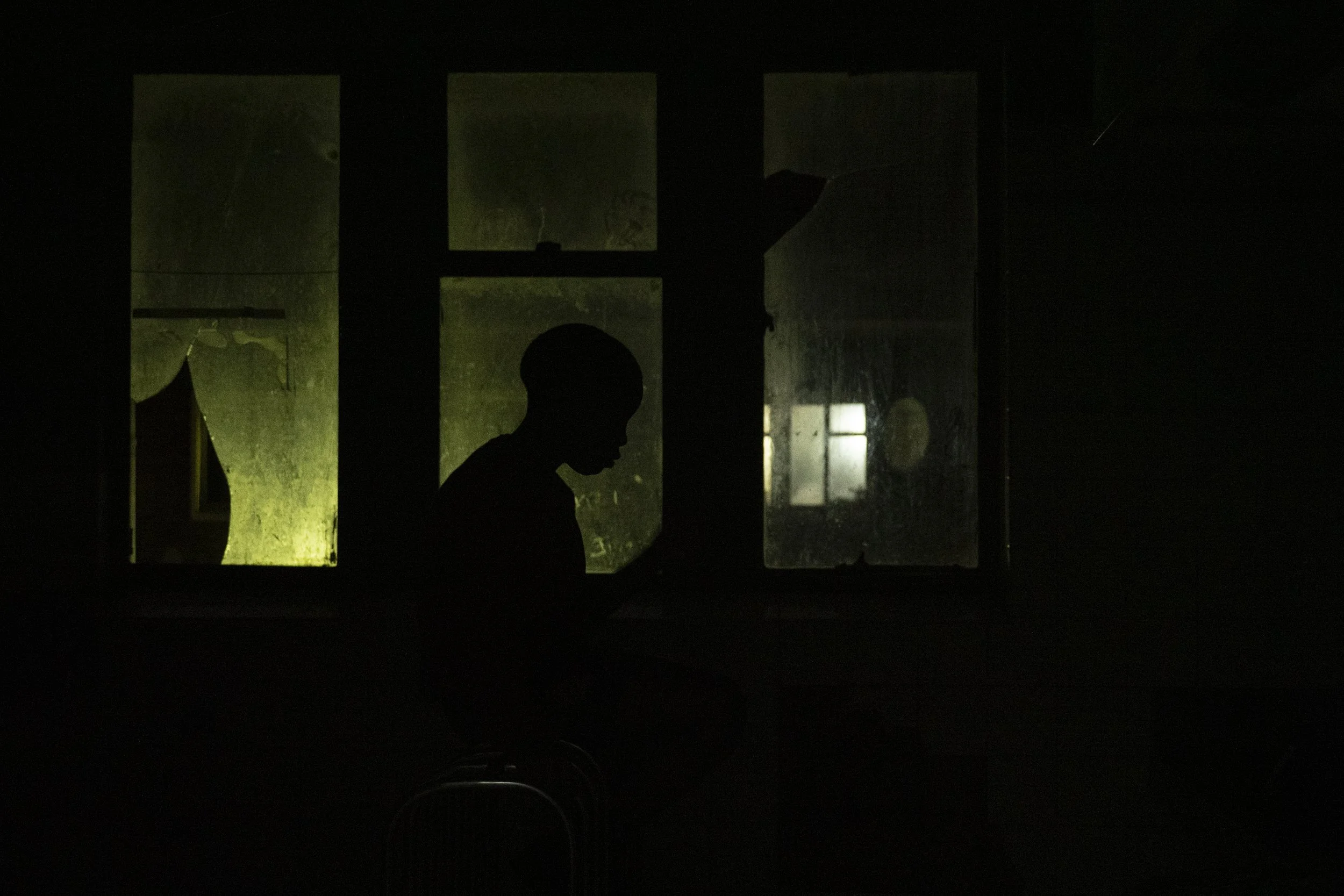
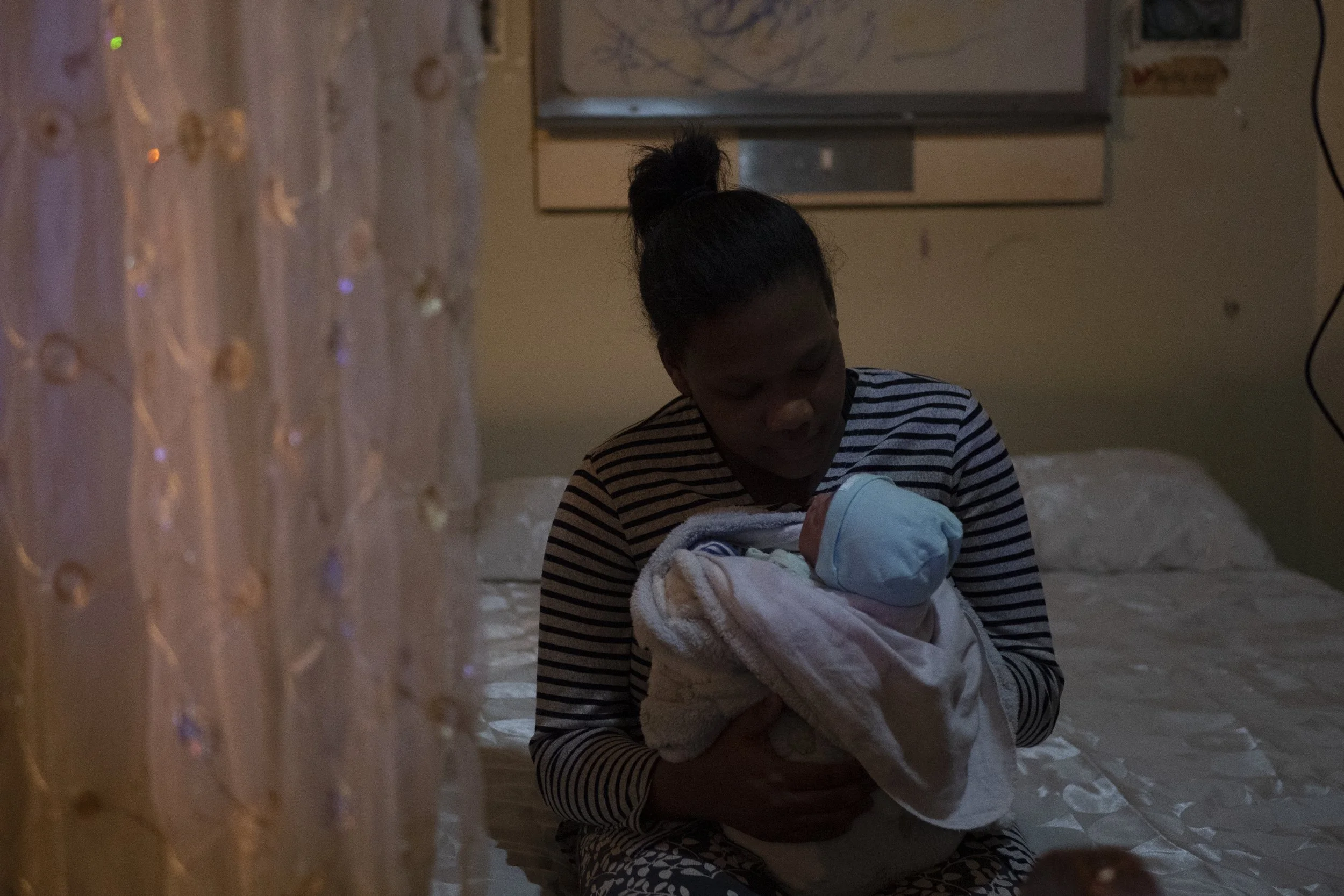
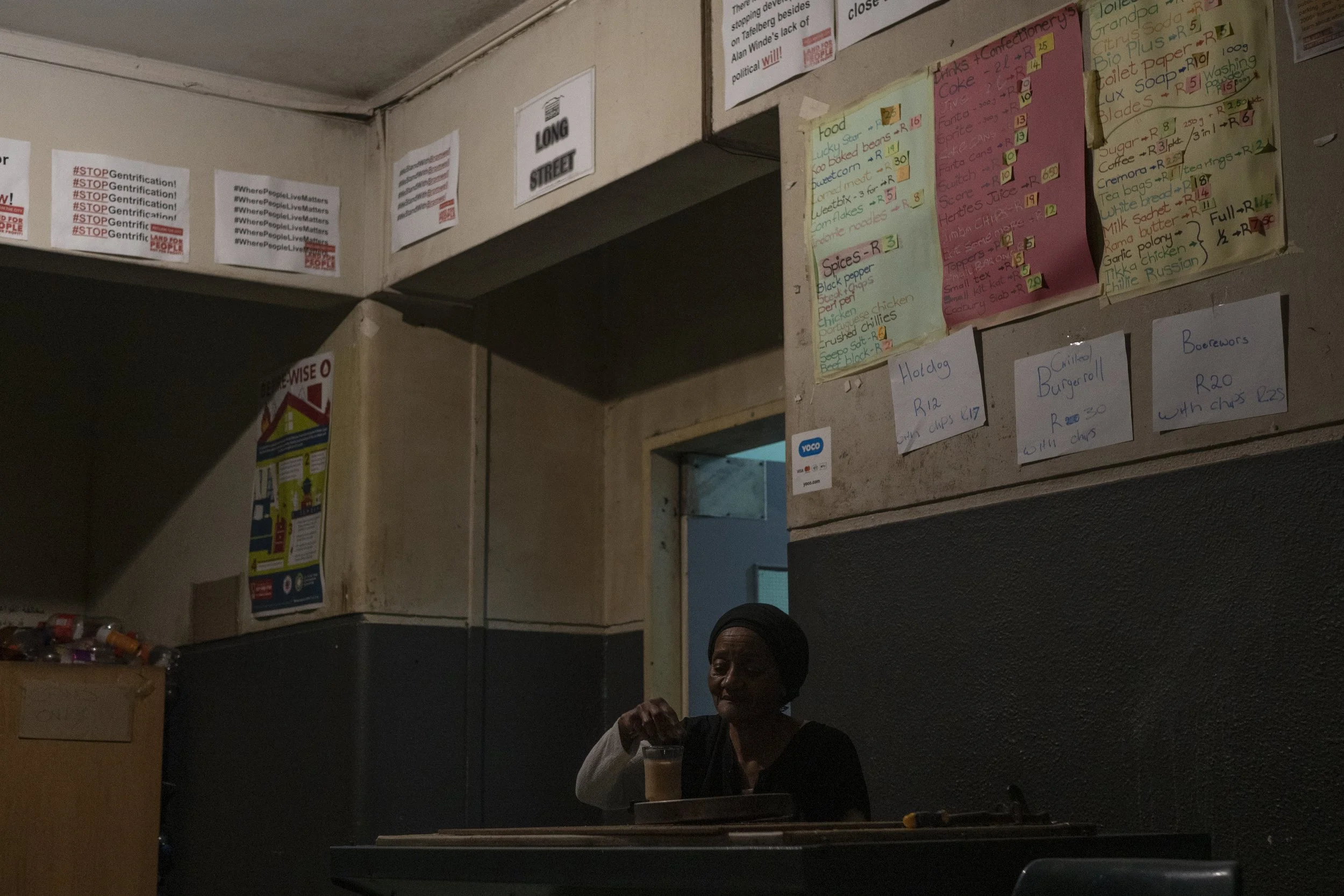
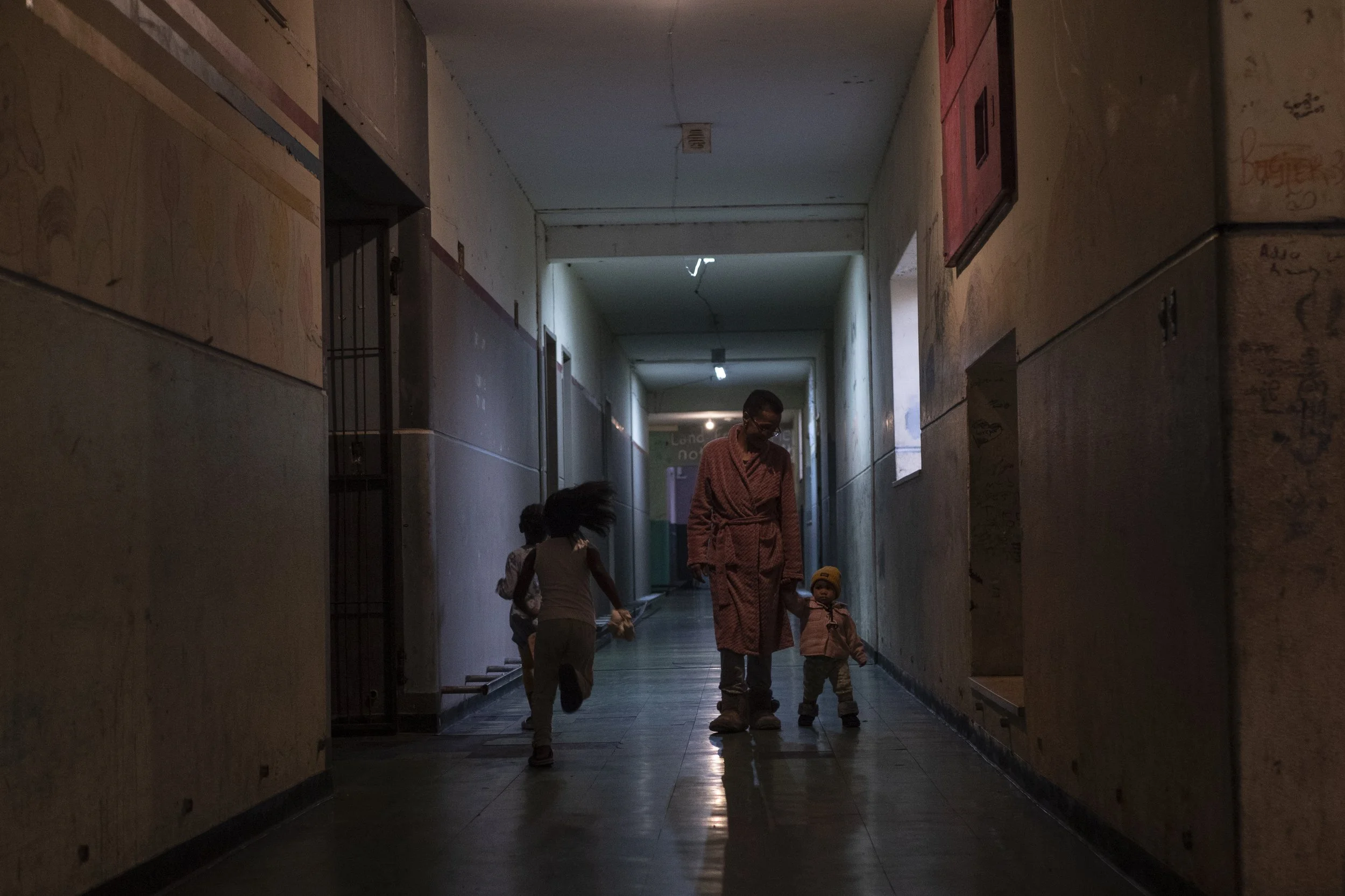
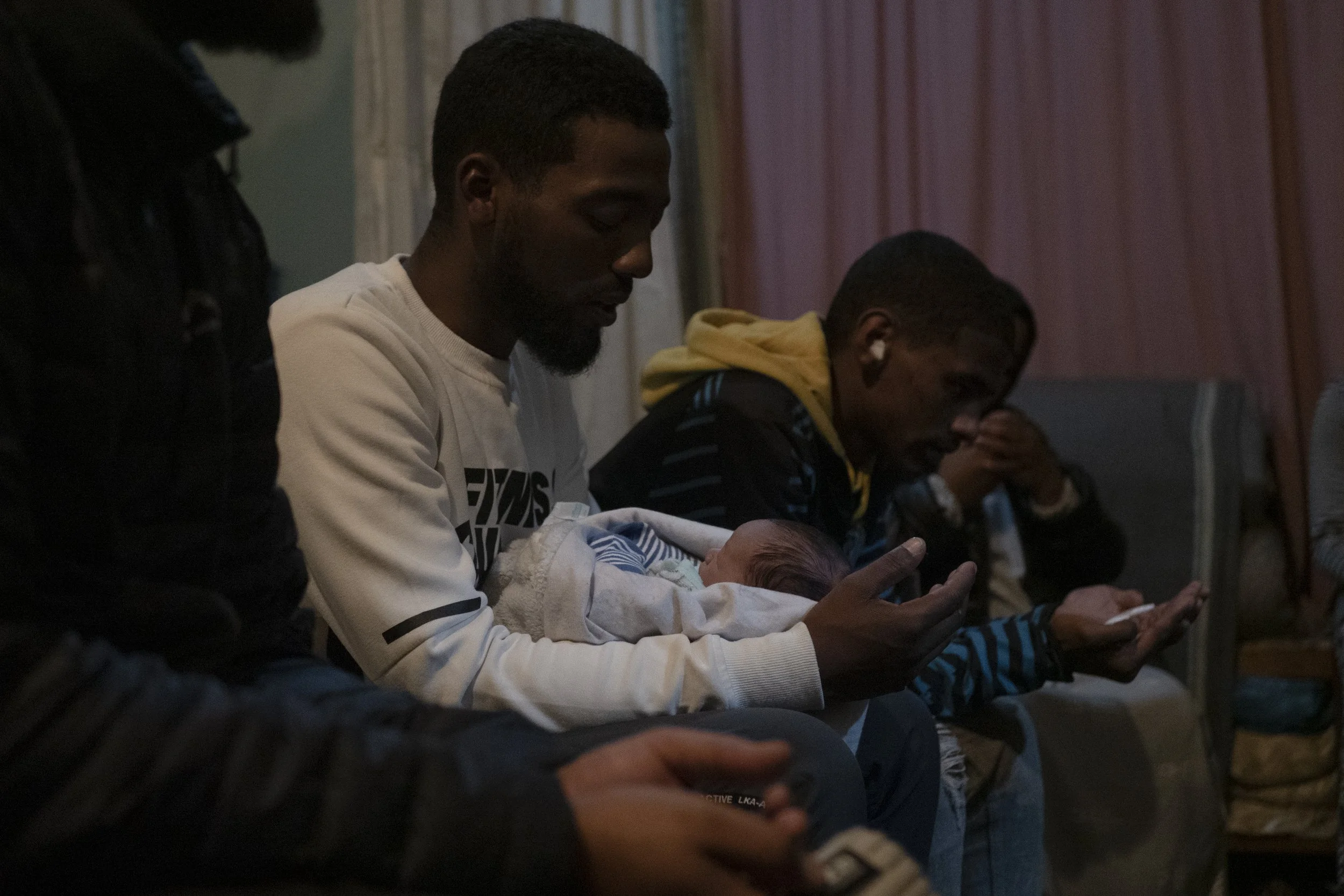
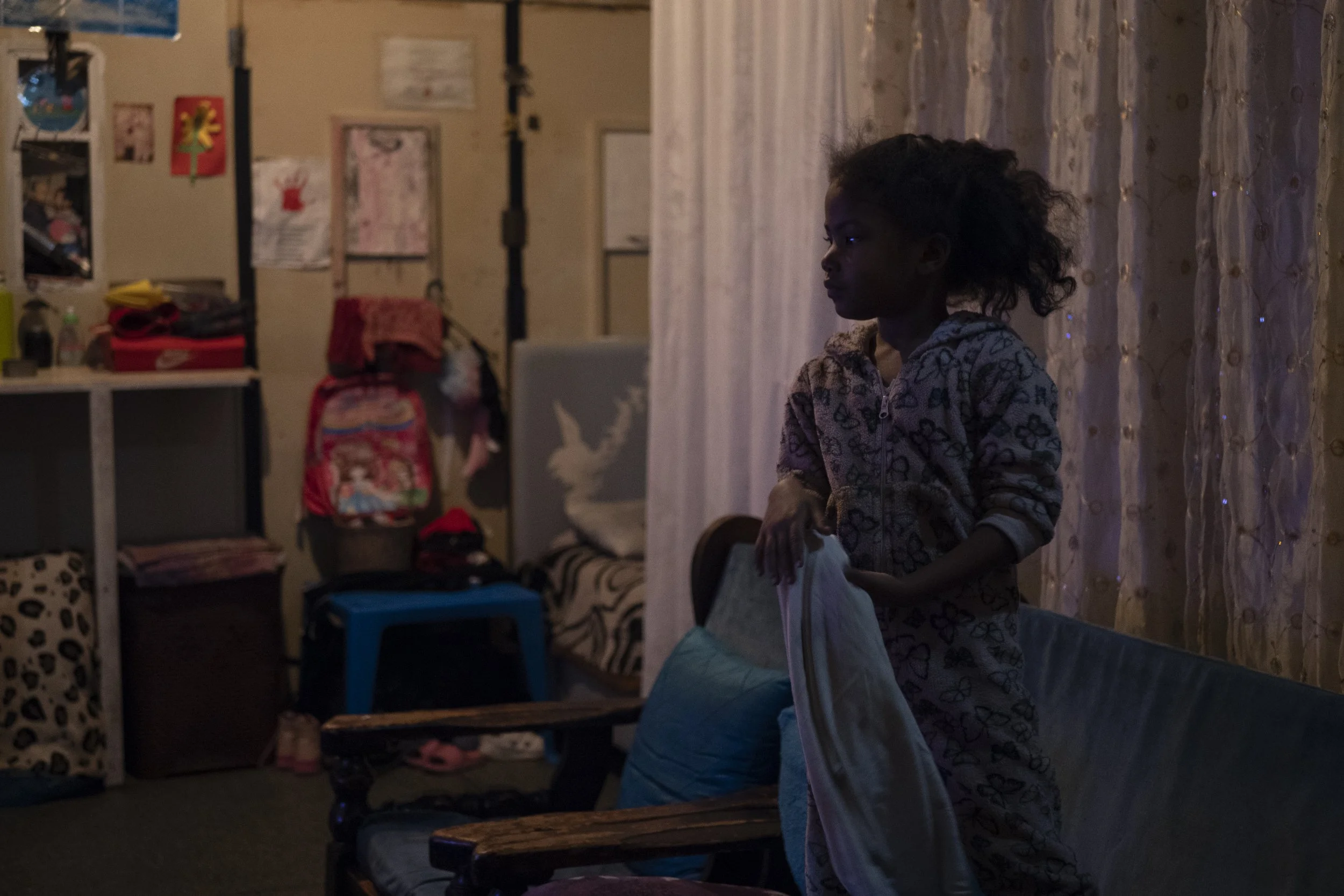
When they were evicted from their homes in 2017, a group of residents and campaigners started occupying the buildings of an abandoned hospital in Woodstock neighbourhood. Renamed Cissy Good House, the occupation is now home for over 1,000 people. But the fear of another eviction constantly looms. “What they’re doing with us now is the same as under apartheid, it’s just called by the fancy name – ‘gentrification’,” says resident Faghmeeda Ling.