Video

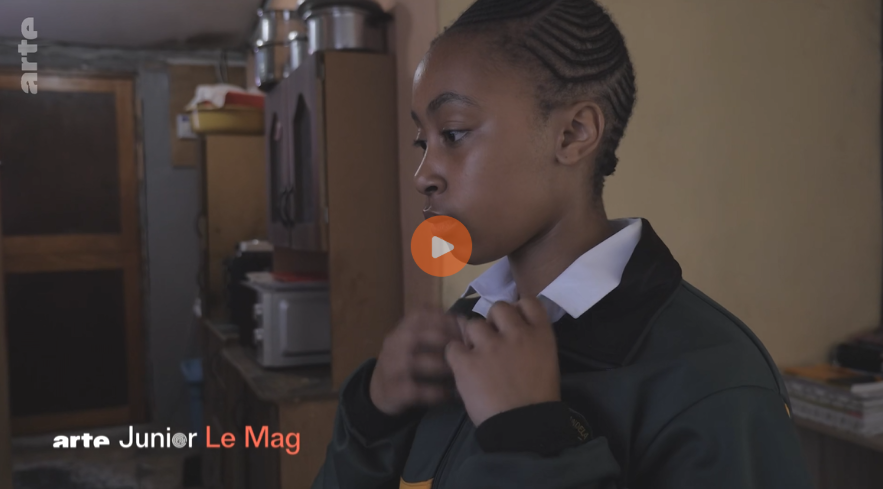
Nonelelo a 13 ans. Elle vit dans la ville du Cap en Afrique du Sud. Passionnée par les langues, elle adore apprendre et aller à l'école. Parmi ses sujets de prédilection : la mer qui représente pour elle ''un lieu qui soigne l’esprit''. Dernièrement, elle a décidé de s'initier à la plongée.

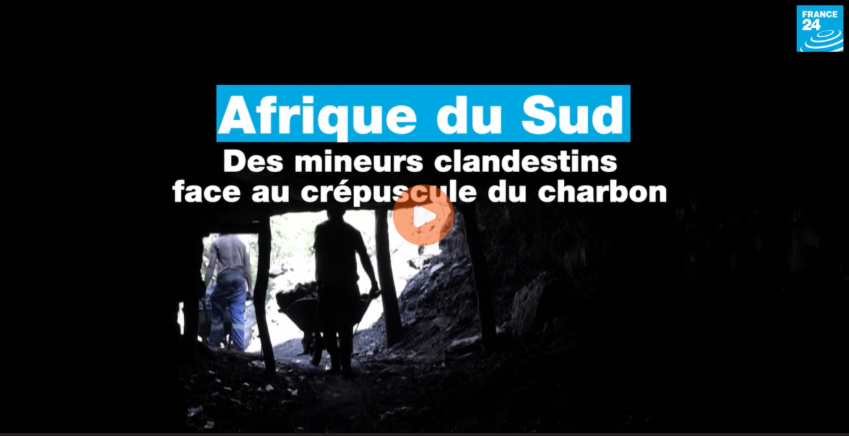
L'Afrique du Sud, l'un des principaux producteurs mondiaux de charbon, compte plus de 40.000 mineurs clandestins. Dans le Mpumalanga, le cœur charbonnier du pays où la majeure partie de l’électricité est produite, ils craignent d'être laissés de côté par les nouvelles politiques de transition énergétique qui prévoient de favoriser des énergies moins polluantes.

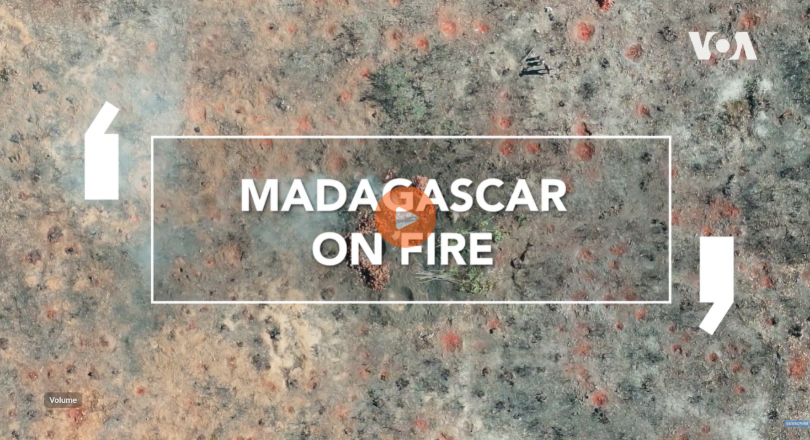
Madagascar On Fire (VoA 52 Documentary - Field Producer)

Madagascar is one of the world’s most important biodiversity hotspots. Almost 90% of plants and animals are endemic and can’t be found anywhere else. But many species are under threat of extinction as Madagascar’s forests disappear at record speed. This film by filmmaker Sira Thierij follows Magali and Romain as they try to save their island.

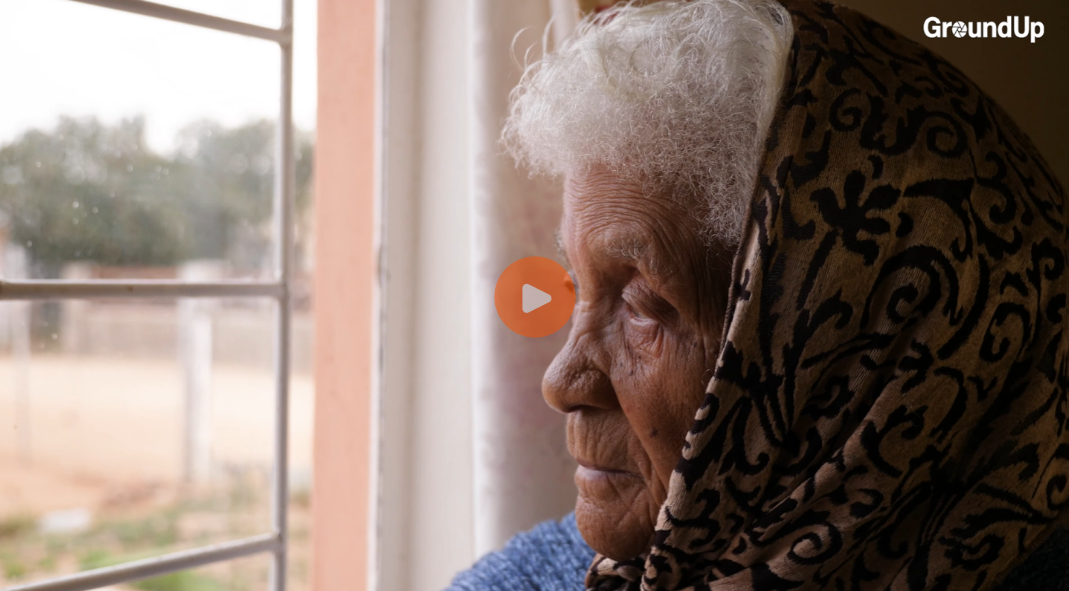
Removing cataracts is easy and inexpensive. Yet in some parts of South Africa thousands of people are waiting for surgery. A cataract is a common condition in which the eye’s natural lens becomes cloudy. It usually affects older people. A ten-minute surgery fixes the problem. Yet it is still South Africa’s leading cause of blindness.

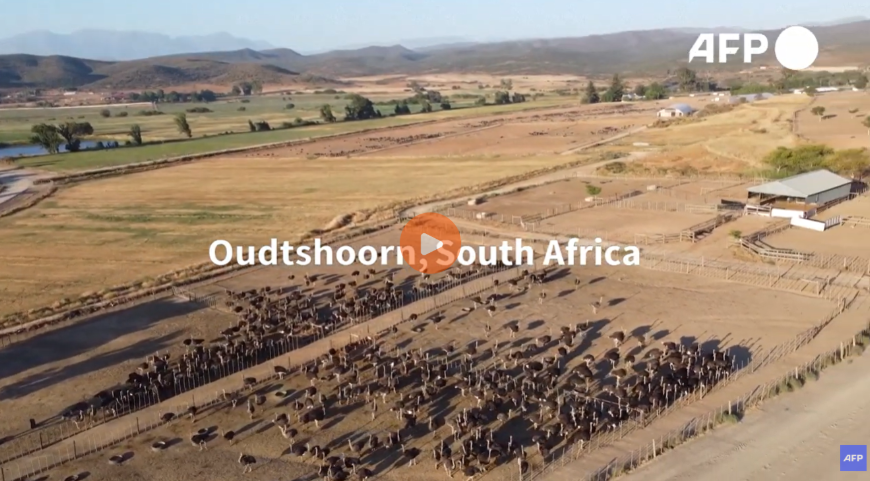
From fashion runways around the world to the Moulin Rouge cabaret in Paris and the Rio carnival, South African ostrich feathers have taken centre stage. The country dominates the world market -- generating around 70% of by-products, including feathers, leather, eggs and meat, with the majority of these coming from the small town of Oudtshoorn.

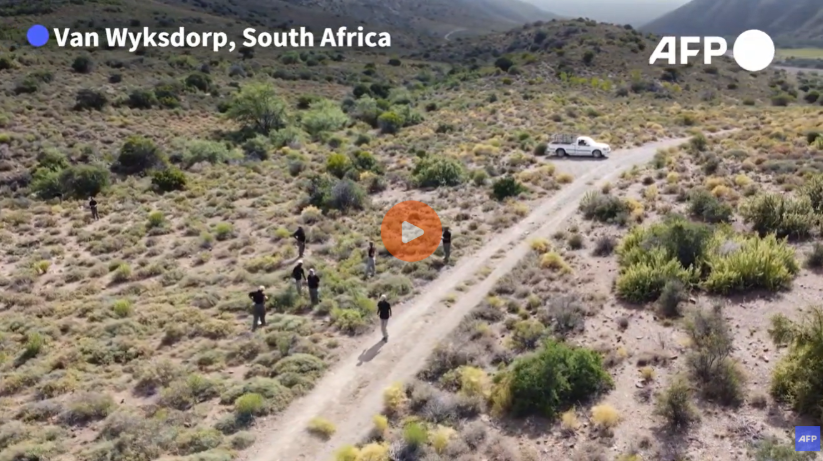
In South Africa's arid Western Cape, the environmental organisation Jobs 4 Carbon is planting spekboom, a shrub that it hopes will rehabilitate the area's degraded soil. The red-stemmed bush used to dominate the area, before decades of over-grazing and land mismanagement destroyed it.

En Afrique du Sud, les morgues débordent sous l’afflux de cadavres qui ne sont jamais réclamés. La seule solution : essayer d’identifier les corps, pour permettre aux familles éplorées de faire leur deuil.